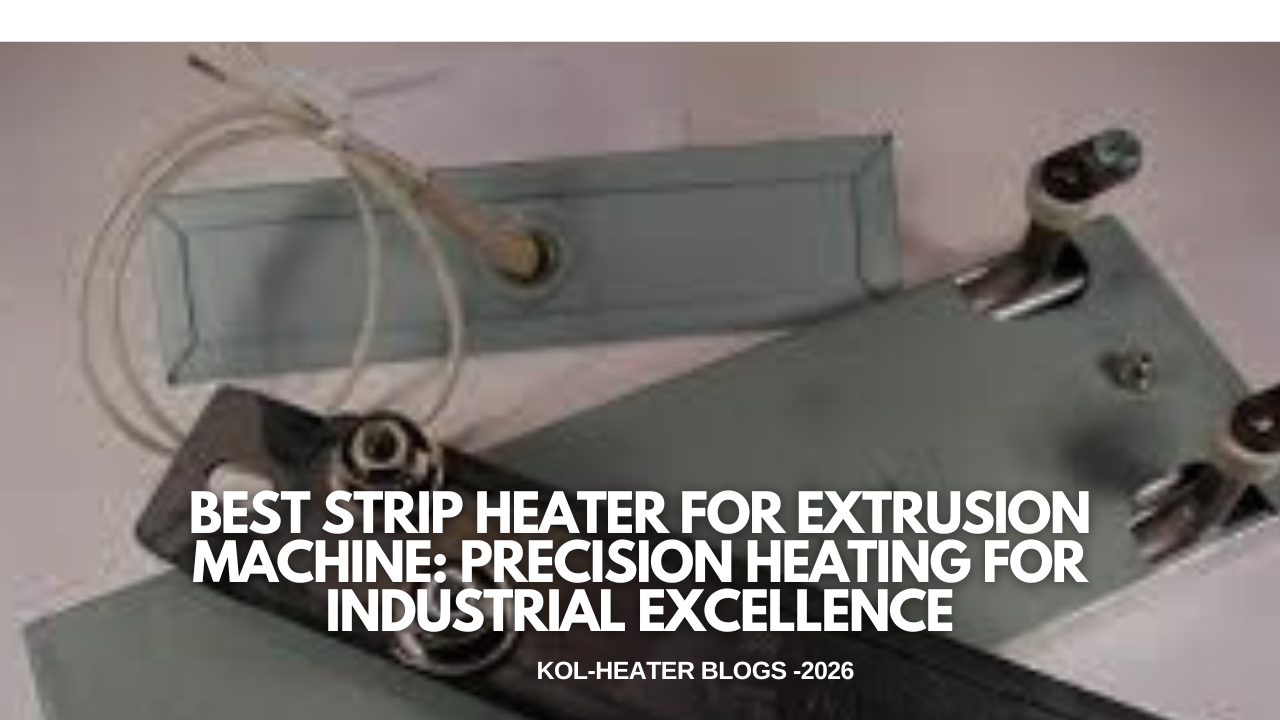
We recognize that extrusion machines demand precise, stable, and efficient heating to maintain product quality, reduce downtime, and optimize energy consumption. At the core of this thermal control lies the strip heater, a compact yet powerful heating solution engineered for uniform heat distribution across flat and curved surfaces. Selecting the best strip heater for an extrusion machine directly impacts throughput, dimensional accuracy, melt consistency, and overall operational reliability.
Strip heaters are widely deployed in plastic extrusion, rubber processing, food manufacturing, packaging, and chemical industries. Their role is to maintain consistent barrel temperatures, prevent material degradation, and ensure smooth flow through dies and molds. We present a comprehensive, technically detailed guide to identifying and utilizing the most effective strip heaters for extrusion systems.
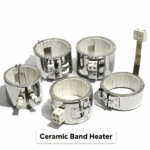
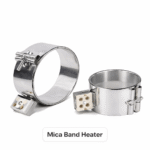
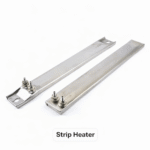
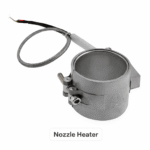
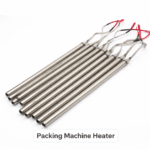
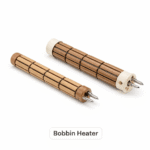
What Makes a Strip Heater Ideal for Extrusion Machines
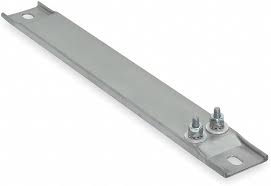
High Thermal Efficiency and Uniform Heat Transfer
The best strip heaters are engineered to deliver even heat distribution across the contact surface. Uniform heating eliminates hot spots that can cause polymer degradation or cold zones that restrict material flow. Precision-machined heaters with tight tolerance sheathing ensure optimal thermal contact with the extrusion barrel or platen.
Durability Under Continuous Operation
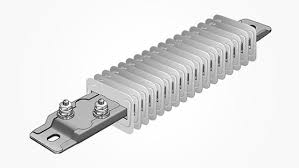
Extrusion environments operate under high temperatures and extended duty cycles. Premium strip heaters use high-grade stainless steel or Incoloy sheaths, protecting internal resistance elements from oxidation, moisture, and chemical exposure. This construction ensures long service life even in demanding industrial settings.
Accurate Temperature Control Compatibility
Modern extrusion lines rely on PID controllers, thermocouples, and digital temperature sensors. The best strip heaters are fully compatible with J-type and K-type thermocouples, enabling precise temperature feedback and stable process control. Accurate heating directly translates into consistent extrusion output.
Types of Strip Heaters Used in Extrusion Machines
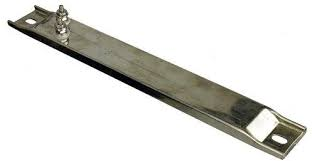
Mica Insulated Strip Heaters
Mica strip heaters are among the most commonly used heating elements in extrusion machinery. They are constructed with nichrome resistance wire embedded in mica insulation, enclosed in a stainless-steel sheath.
Key advantages include:
- Fast heat-up time
- Cost-effective manufacturing
- Operating temperatures up to 900°F (480°C)
- Ideal for plastic extrusion barrels and dies
Mica heaters are best suited for applications where tight surface contact can be maintained, ensuring efficient heat transfer.
Ceramic Insulated Strip Heaters
For higher temperature requirements, ceramic strip heaters provide superior thermal performance. These heaters use ceramic fiber insulation, allowing them to operate at temperatures up to 1400°F (760°C).
Benefits include:
- Higher watt density
- Reduced heat loss
- Improved energy efficiency
- Longer lifespan under extreme conditions
Ceramic strip heaters are ideal for high-output extrusion lines and materials requiring elevated processing temperatures.
Mineral Insulated Strip Heaters
Mineral insulated strip heaters are designed for applications demanding exceptional durability and moisture resistance. Using magnesium oxide insulation, these heaters deliver consistent heat while resisting vibration and mechanical stress.
Notable features include:
- Excellent electrical insulation
- High resistance to thermal cycling
- Compact design with high watt density
- Reliable performance in harsh industrial environments
These heaters are well-suited for continuous extrusion processes with minimal tolerance for downtime.
Key Technical Specifications to Consider
Watt Density Optimization
Selecting the correct watt density is critical for extrusion performance. Excessive watt density can cause overheating and material burn, while insufficient watt density leads to poor melt consistency. We recommend matching watt density precisely to the material type, barrel diameter, and processing temperature.
Voltage and Power Configuration
Strip heaters are available in various voltage ratings, including 110V, 220V, 240V, and 480V. The best configuration aligns with existing power infrastructure, minimizing electrical inefficiencies and simplifying installation.
Mounting and Fit Precision
A properly fitted strip heater ensures maximum heat transfer efficiency. Custom-sized heaters with pre-drilled mounting holes, clamping options, or curved profiles provide optimal contact with extrusion barrels and platens, reducing energy loss.
Benefits of Using the Best Strip Heater for Extrusion Machines
Enhanced Product Quality
Consistent heating maintains stable melt viscosity, resulting in smooth surface finishes, accurate dimensions, and reduced scrap rates. This is particularly critical in precision extrusion applications such as medical tubing and profile extrusion.
Improved Energy Efficiency
High-quality strip heaters with superior insulation reduce radiant heat loss, lowering overall energy consumption. Efficient heaters translate into lower operating costs and improved sustainability metrics.
Reduced Maintenance and Downtime
Durable strip heaters minimize failure rates, reducing unplanned shutdowns. Longer service intervals lead to higher equipment availability and predictable maintenance schedules.
Applications Across Extrusion Industries
Strip heaters play a vital role across multiple extrusion sectors, including:
- Plastic pipe and profile extrusion
- Film and sheet extrusion
- Rubber and elastomer processing
- Food extrusion systems
- Chemical and adhesive extrusion lines
In each application, the correct strip heater ensures thermal stability, process repeatability, and consistent output quality.
Customization Options for Advanced Extrusion Systems
We emphasize the importance of custom-engineered strip heaters for specialized extrusion needs. Customization options include:
- Integrated thermocouples
- Variable watt densities
- Special sheath materials
- Curved or segmented designs
- High-temperature lead wires and insulation
Tailored solutions enhance performance and extend heater lifespan in complex extrusion configurations.
Installation and Operational Best Practices
Proper installation directly influences heater efficiency. We recommend:
- Ensuring clean, smooth mounting surfaces
- Applying uniform clamping pressure
- Avoiding air gaps between heater and barrel
- Regularly monitoring temperature feedback
Adhering to these practices ensures optimal heat transfer and long-term operational stability.
Conclusion: Selecting the Best Strip Heater for Extrusion Excellence
The best strip heater for an extrusion machine is defined by thermal precision, durability, energy efficiency, and compatibility with modern control systems. By selecting high-quality mica, ceramic, or mineral insulated strip heaters tailored to specific extrusion requirements, we achieve superior process control, enhanced product quality, and reduced operational costs.
Investing in the right strip heater is not merely a component choice—it is a strategic decision that directly impacts productivity, reliability, and long-term profitability in extrusion operations.